Top Tips for Backpack Care and Maintenance
Updated: 5 days ago
Backpacks are essential companions for adventurers, students, and everyday commuters alike. They carry our belongings, support our journeys, and often endure the wear and tear of daily life. However, many people overlook the importance of proper care and maintenance for their backpacks. A well-maintained backpack not only lasts longer but also performs better. In this blog post, we will explore top tips for backpack care and maintenance, ensuring your trusty pack remains in top shape for years to come.
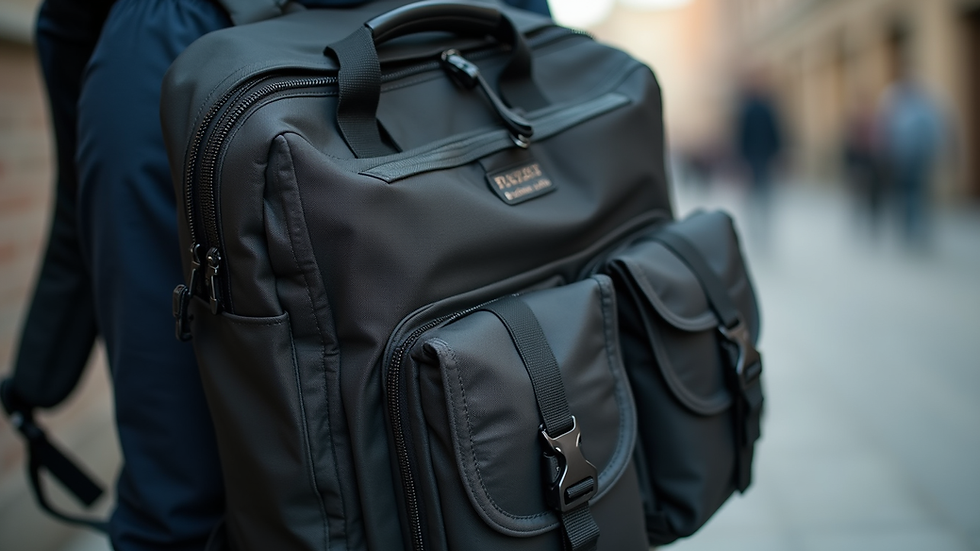
Understanding Your Backpack
Before diving into maintenance tips, it's crucial to understand the different types of backpacks and their materials. Backpacks can be categorized into several types, including:
Daypacks: Ideal for short trips or daily use, these backpacks are lightweight and compact.
Hiking Backpacks: Designed for outdoor adventures, they often feature additional support and compartments for gear.
Travel Backpacks: These are larger and designed for longer trips, often with features like wheels or detachable sections.
Laptop Backpacks: Specifically designed to protect electronic devices, they usually have padded compartments.
Each type of backpack may require different care based on its materials and intended use.
Regular Cleaning
Keeping your backpack clean is essential for maintaining its appearance and functionality. Here are some steps to follow:
1. Check the Care Label
Most backpacks come with a care label that provides specific cleaning instructions. Always check this label before proceeding with any cleaning method.
2. Empty Your Backpack
Before cleaning, remove all items from your backpack. This includes small pockets and compartments. Shake it out to remove any debris or dirt.
3. Spot Clean Stains
For minor stains, use a damp cloth and mild soap to gently scrub the affected area. Avoid harsh chemicals that can damage the fabric.
4. Machine Wash (If Applicable)
If your backpack is machine washable, place it in a laundry bag to protect it during the wash cycle. Use a gentle cycle with cold water and mild detergent. Avoid fabric softeners, as they can leave residues.
5. Air Dry
After washing, hang your backpack to air dry. Avoid direct sunlight, as it can fade colors and weaken materials. Never use a dryer, as the heat can damage the backpack.
Inspecting for Damage
Regularly inspecting your backpack for damage can help you catch issues before they become significant problems. Here’s what to look for:
1. Check the Zippers
Ensure that zippers are functioning correctly. If they are stuck or misaligned, apply a small amount of lubricant to help them glide smoothly.
2. Inspect the Straps
Look for fraying or wear on the straps. If they are damaged, consider sewing them or replacing them if possible.
3. Examine the Seams
Check the seams for any signs of splitting or wear. If you notice any issues, reinforce them with fabric glue or take your backpack to a professional for repairs.
4. Look for Holes or Tears
Inspect the fabric for holes or tears. Small holes can often be patched with fabric repair tape, while larger tears may require sewing.
Proper Storage
When not in use, proper storage can extend the life of your backpack. Here are some tips:
1. Keep It Dry
Store your backpack in a cool, dry place to prevent mold and mildew. Avoid damp areas like basements or garages.
2. Avoid Overpacking
When storing your backpack, avoid overstuffing it. This can cause unnecessary strain on the seams and zippers.
3. Use a Dust Bag
If possible, store your backpack in a dust bag to protect it from dust and dirt. This is especially important for high-end or specialty backpacks.
Protecting Your Backpack
Taking preventive measures can help protect your backpack from damage. Here are some strategies:
1. Use a Rain Cover
If you often find yourself in wet conditions, consider investing in a rain cover. This will protect your backpack from moisture and keep your belongings dry.
2. Avoid Rough Surfaces
When placing your backpack down, avoid rough or abrasive surfaces that can cause scratches or tears. Instead, opt for soft ground or a clean surface.
3. Limit Exposure to Sunlight
Prolonged exposure to sunlight can fade colors and weaken materials. When not in use, store your backpack away from direct sunlight.
Choosing the Right Backpack
When purchasing a new backpack, consider the following factors to ensure longevity and ease of maintenance:
1. Material Quality
Look for backpacks made from durable materials such as nylon or polyester. These fabrics are often water-resistant and easy to clean.
2. Reinforced Stitching
Check for reinforced stitching at stress points, such as where straps attach to the body. This can significantly enhance the backpack's durability.
3. Easy-to-Clean Features
Some backpacks come with removable liners or are designed for easy cleaning. Consider these features if you anticipate heavy use.
Conclusion
Caring for your backpack is essential for ensuring its longevity and performance. By following these tips on cleaning, inspecting, storing, and protecting your backpack, you can keep it in excellent condition for years to come. Remember, a well-maintained backpack not only looks good but also serves you better on all your adventures. So, take the time to care for your backpack, and it will reward you with reliable service on every journey.
Now that you have the knowledge, it's time to put it into practice. Start by inspecting your backpack today and implement these care tips to keep it in top shape!
Comments